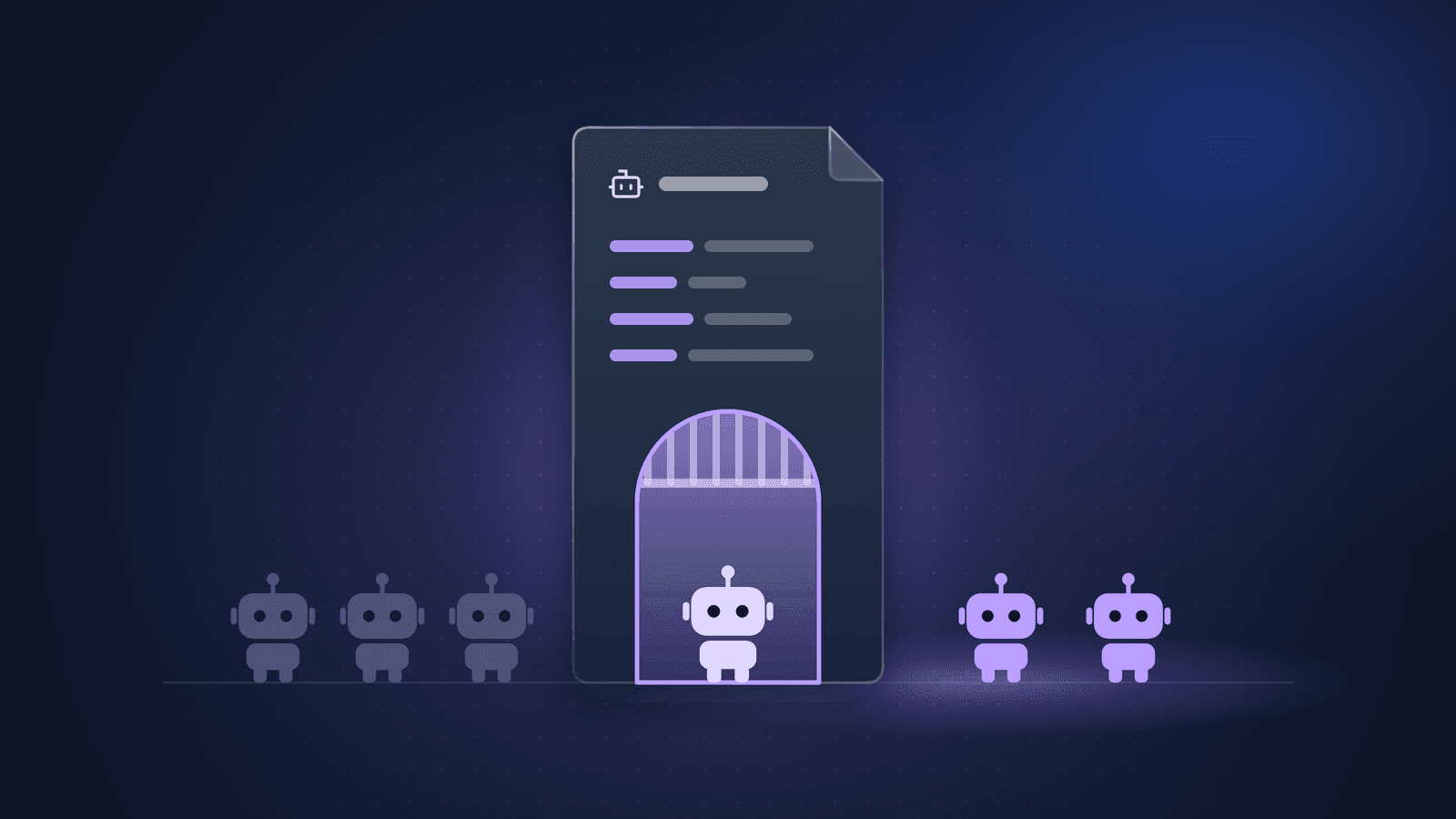
How to Block AI Crawlers with robots.txt Without Leaving AI Search
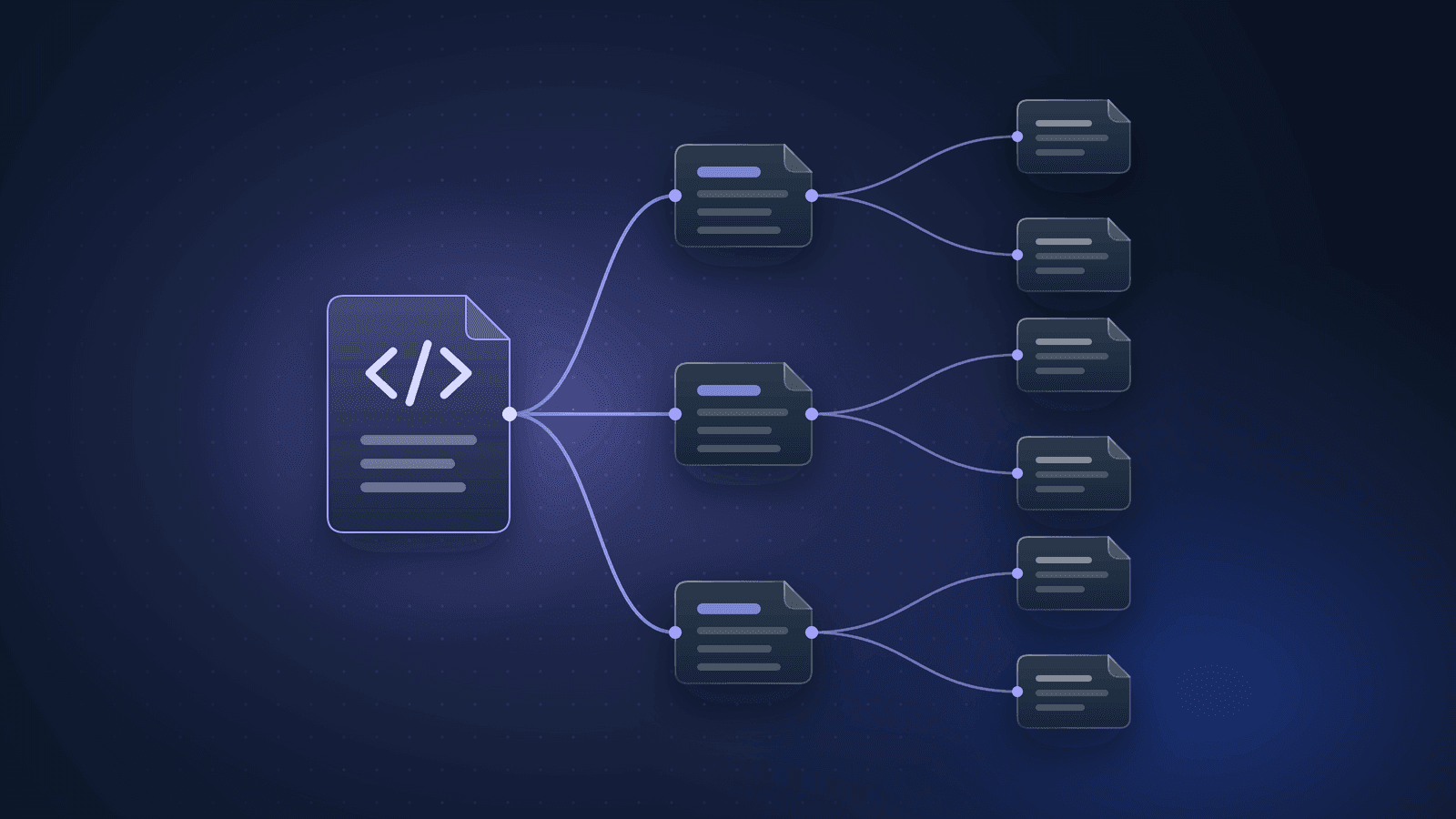
AI companies run separate bots for training, AI search and user requests. Here are the documented tokens, how robots.txt matching works and copy-ready configurations.
Topic
Crawling, indexing, redirects, sitemaps, international setup and performance: the foundations every page needs.
10 articles
AI companies run separate bots for training, AI search and user requests. Here are the documented tokens, how robots.txt matching works and copy-ready configurations.
Google says AI Overviews need no special schema. Here is what structured data still does, how to mark up your organization and authors in JSON-LD, and how to validate it.
Original BACKLNK research: we evaluated 25 crawler tokens against the robots.txt answers of 5,996 reachable top-10,000 sites to see who blocks AI training, AI search and user fetchers.
 by Bryce Daly
LCP, INP and CLS in plain English: what each measures, the thresholds Google uses at the 75th percentile, why lab and field numbers differ and what to fix first.
by Bryce DalyEverything an image needs to be found, understood and fast: img markup, alt text, file names, formats, responsive sizes, dimensions and lazy loading done right.
 by Emily Parker
What 301, 302, 303, 307 and 308 redirects mean, how Google treats each one, why permanent redirects get cached, and how to pick the right code every time.
The rules that make an XML sitemap useful: format and limits, sitemap index files, which URLs to list, accurate lastmod, submission, extensions and auditing.
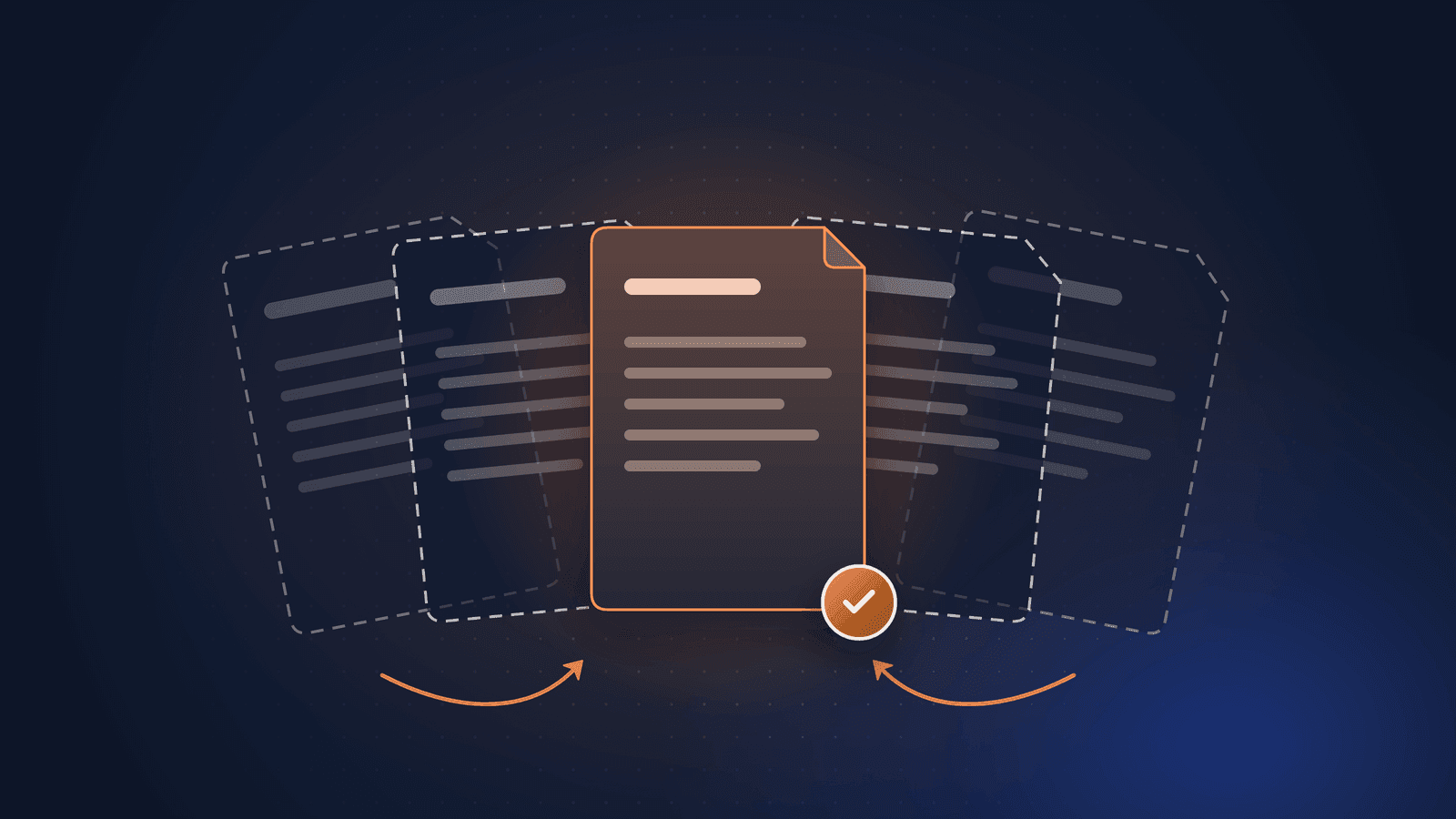
How Google handles duplicate pages, why ordinary duplication isn't a penalty, where duplicates come from, and how to choose and signal the canonical you want.
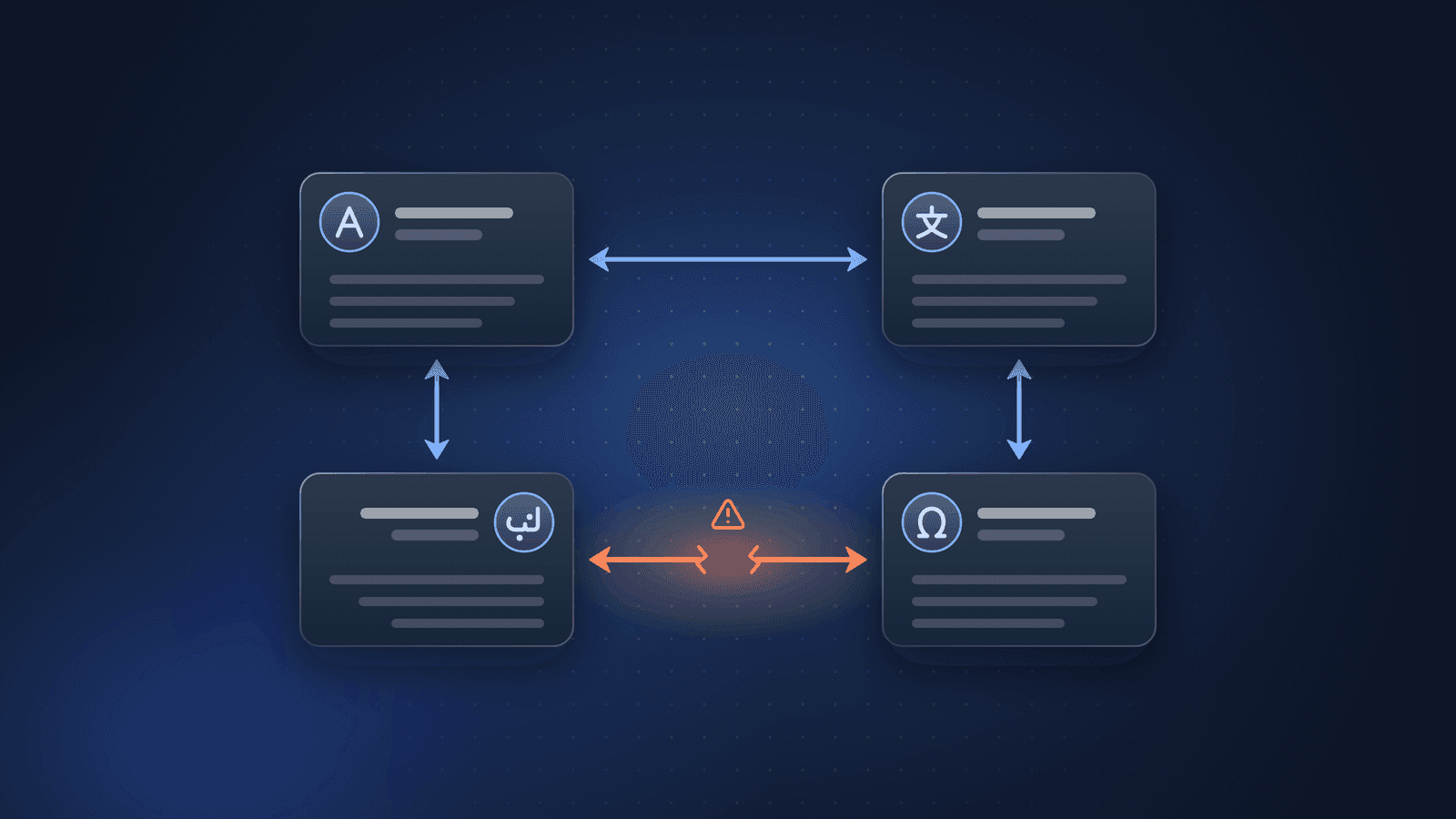
Missing return links, invalid codes, redirecting alternates and canonical conflicts: how Google reads hreflang and how to find and fix every common error.
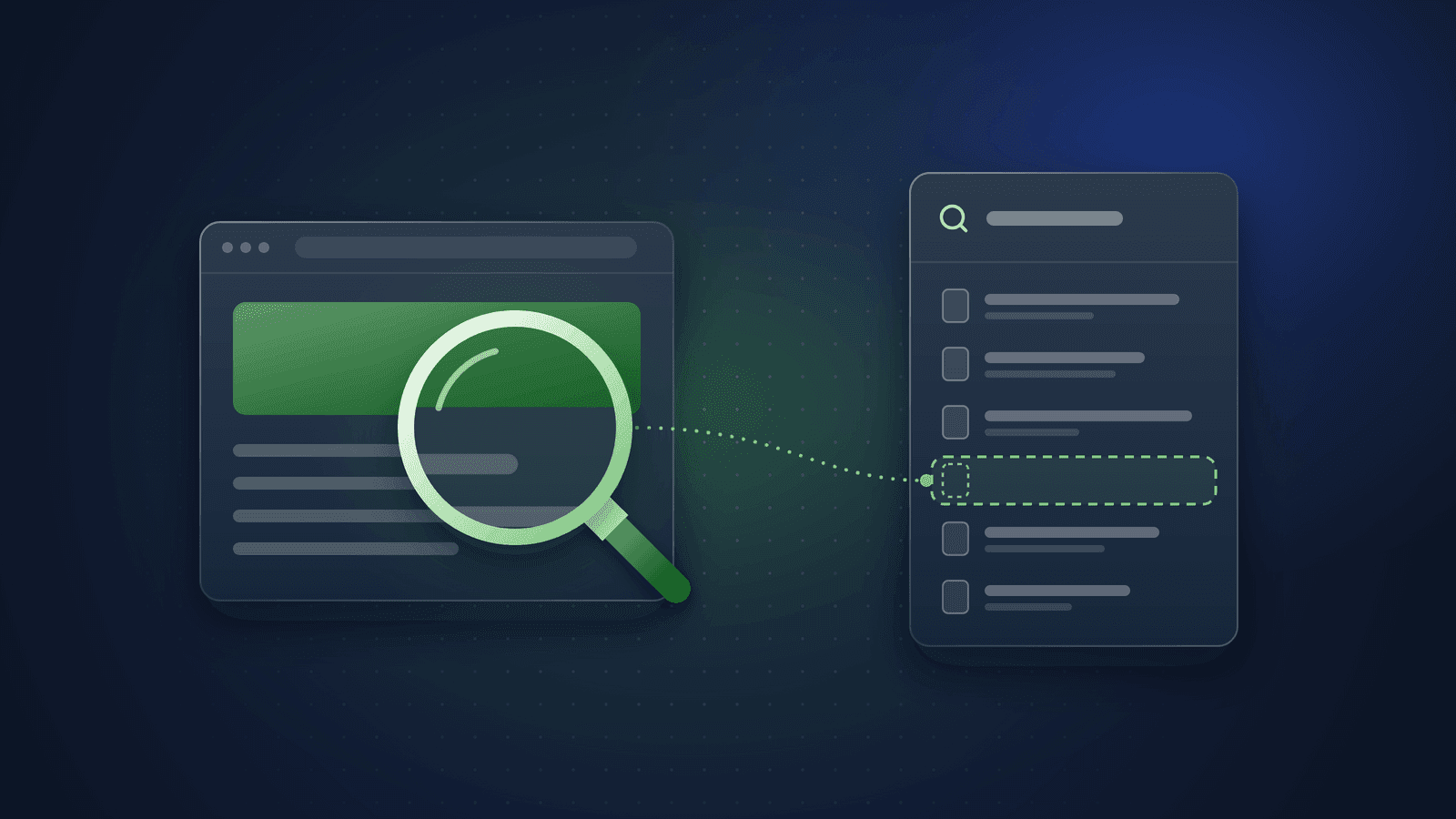
A step-by-step way to find why Google hasn't indexed a page: read the Search Console status, check the signals in the right order, fix the cause and confirm it.