AI Visibility
How to Block AI Crawlers with robots.txt Without Leaving AI Search
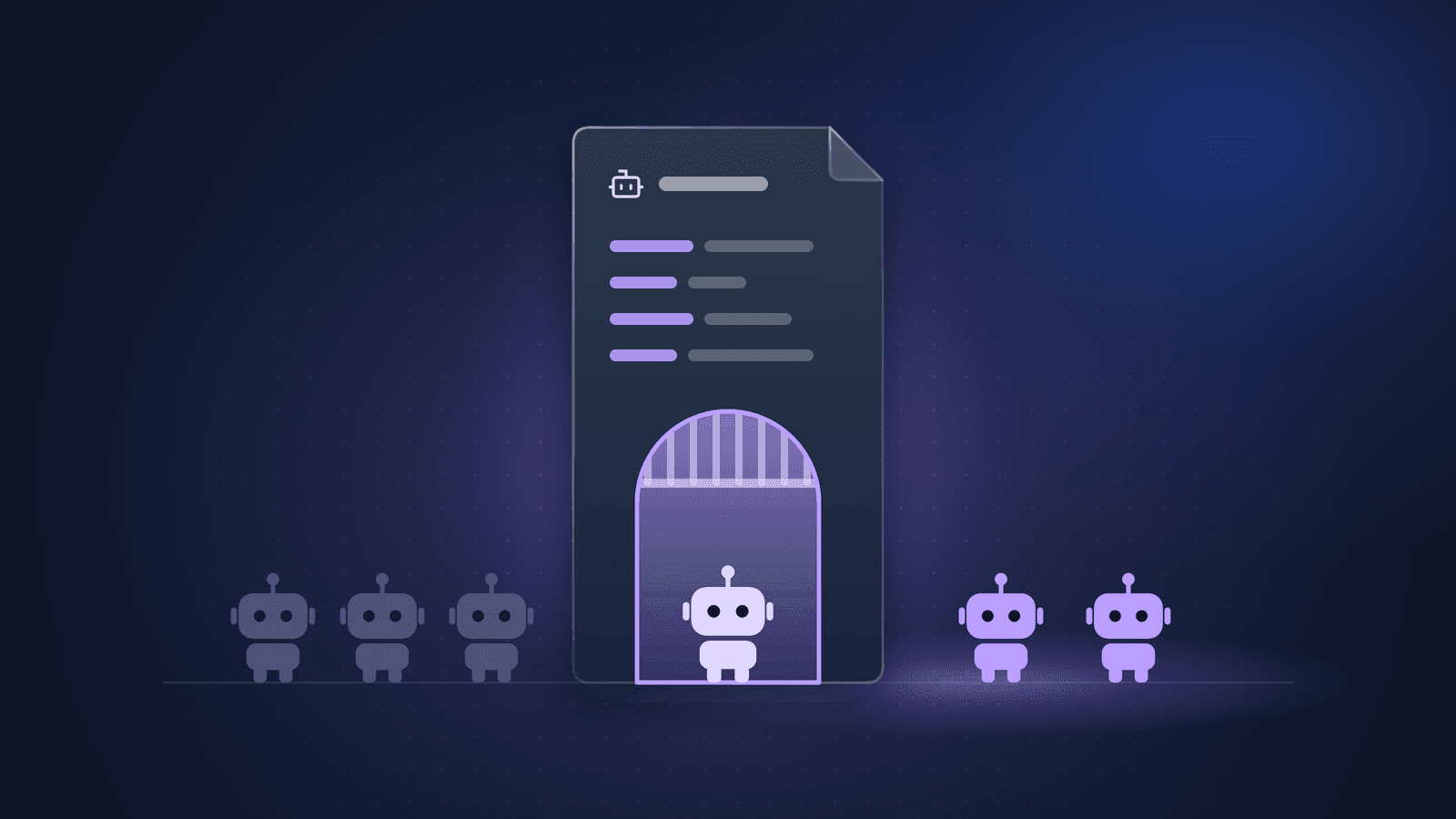
AI companies run separate bots for training, AI search and user requests. Here are the documented tokens, how robots.txt matching works and copy-ready configurations.
Every published guide, newest first. Browse by topic below, or use search to find a specific question.
AI companies run separate bots for training, AI search and user requests. Here are the documented tokens, how robots.txt matching works and copy-ready configurations.
Our latest step-by-step guides.
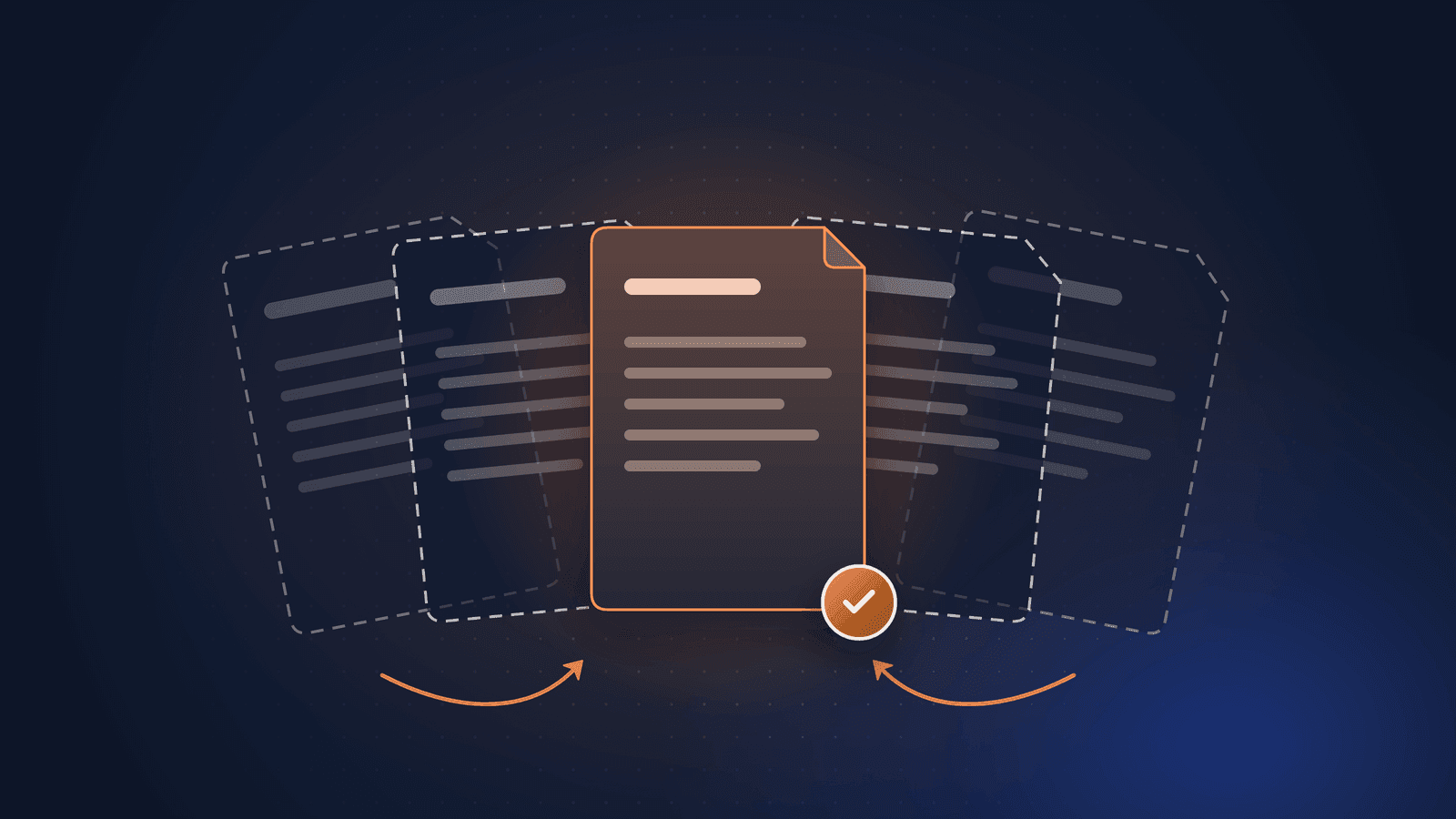
How Google handles duplicate pages, why ordinary duplication isn't a penalty, where duplicates come from, and how to choose and signal the canonical you want.
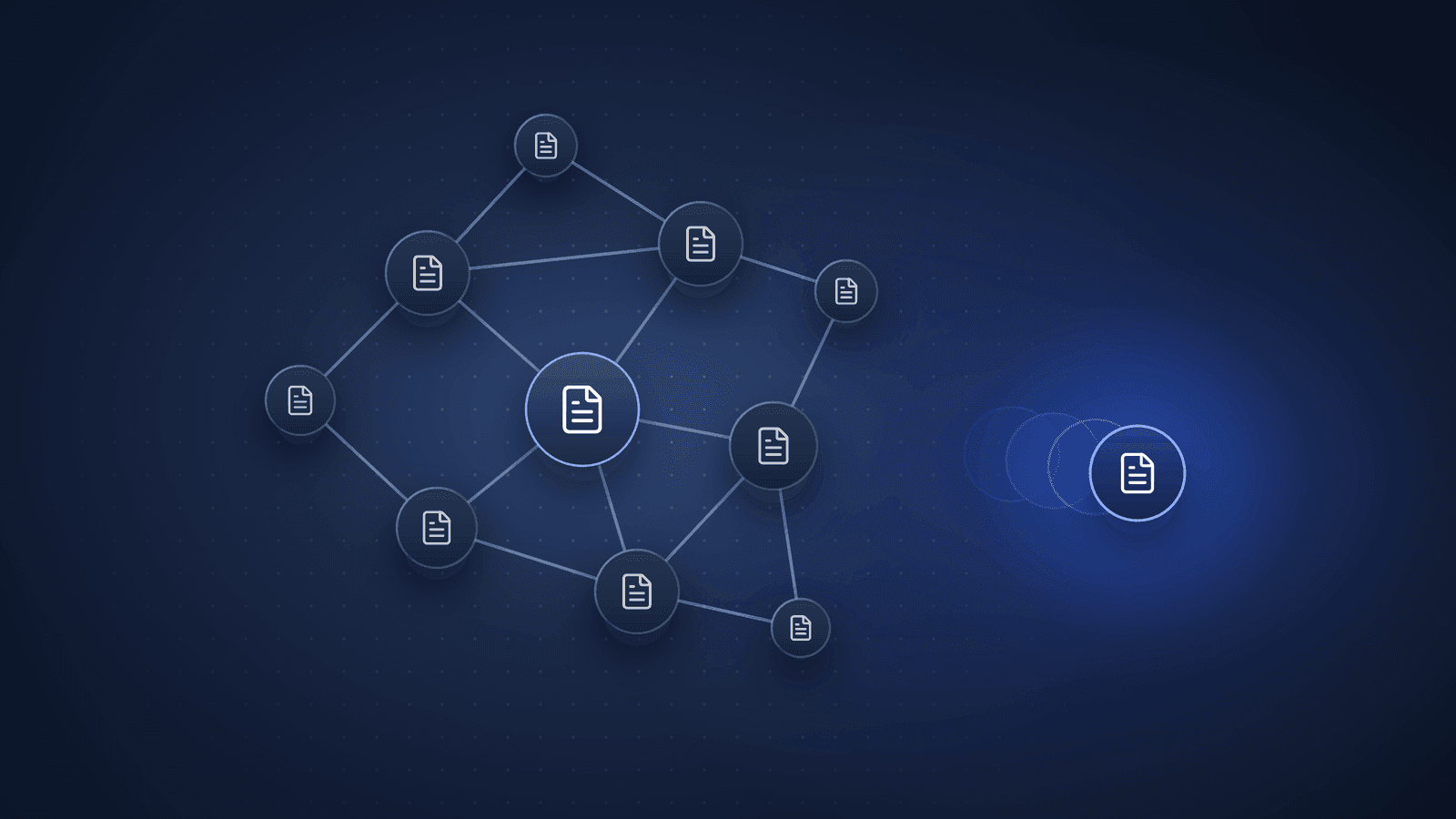
Orphan pages get no internal links, so visitors and crawlers struggle to reach them. Here is how to find them reliably and decide what each one deserves.
 by Emily Parker
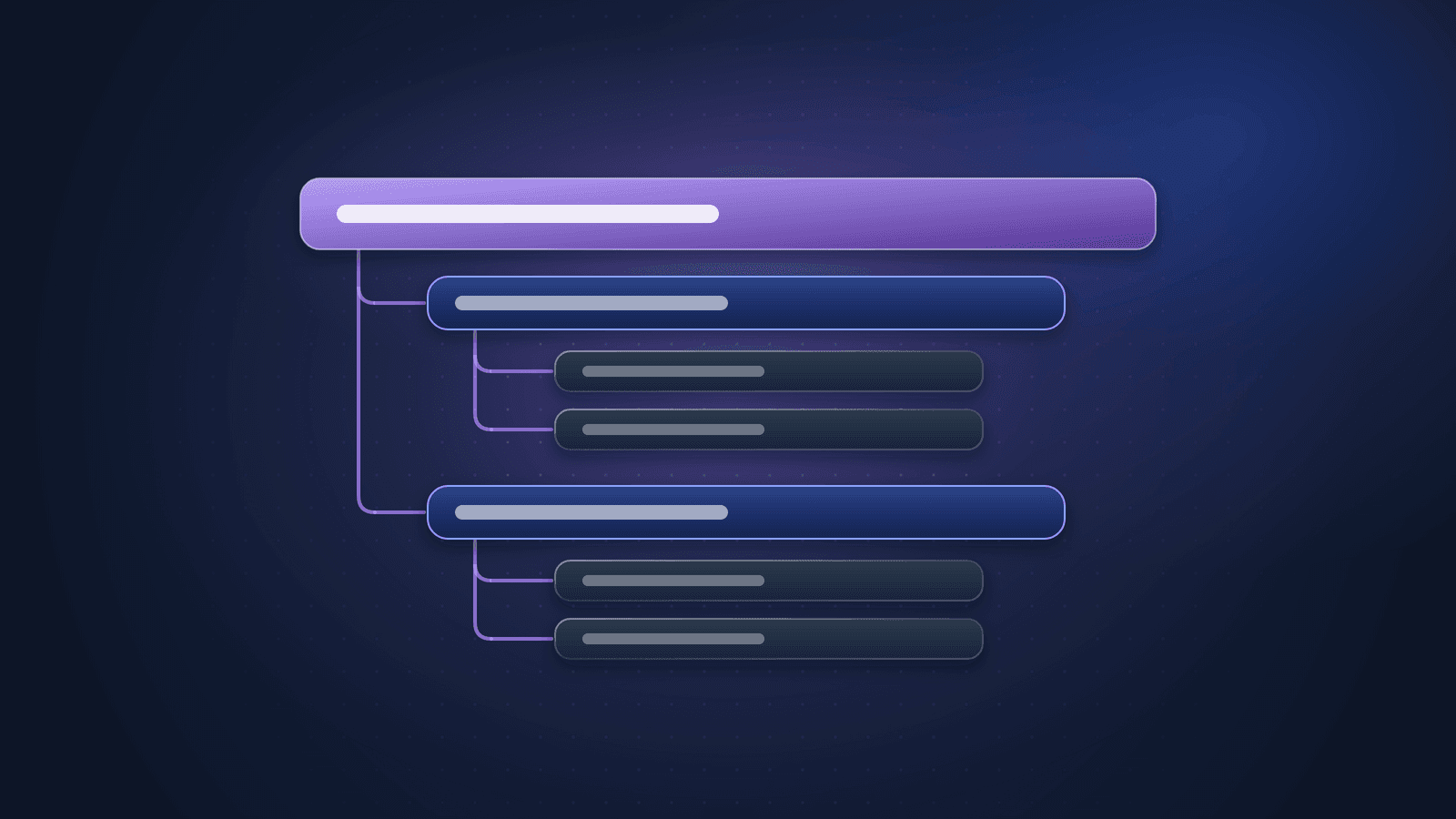
Which heading rules are documented and which are myths, how to nest H1–H3 for readers, screen readers and Google, and a step-by-step way to audit and fix a page outline.
 by Jordan Lee
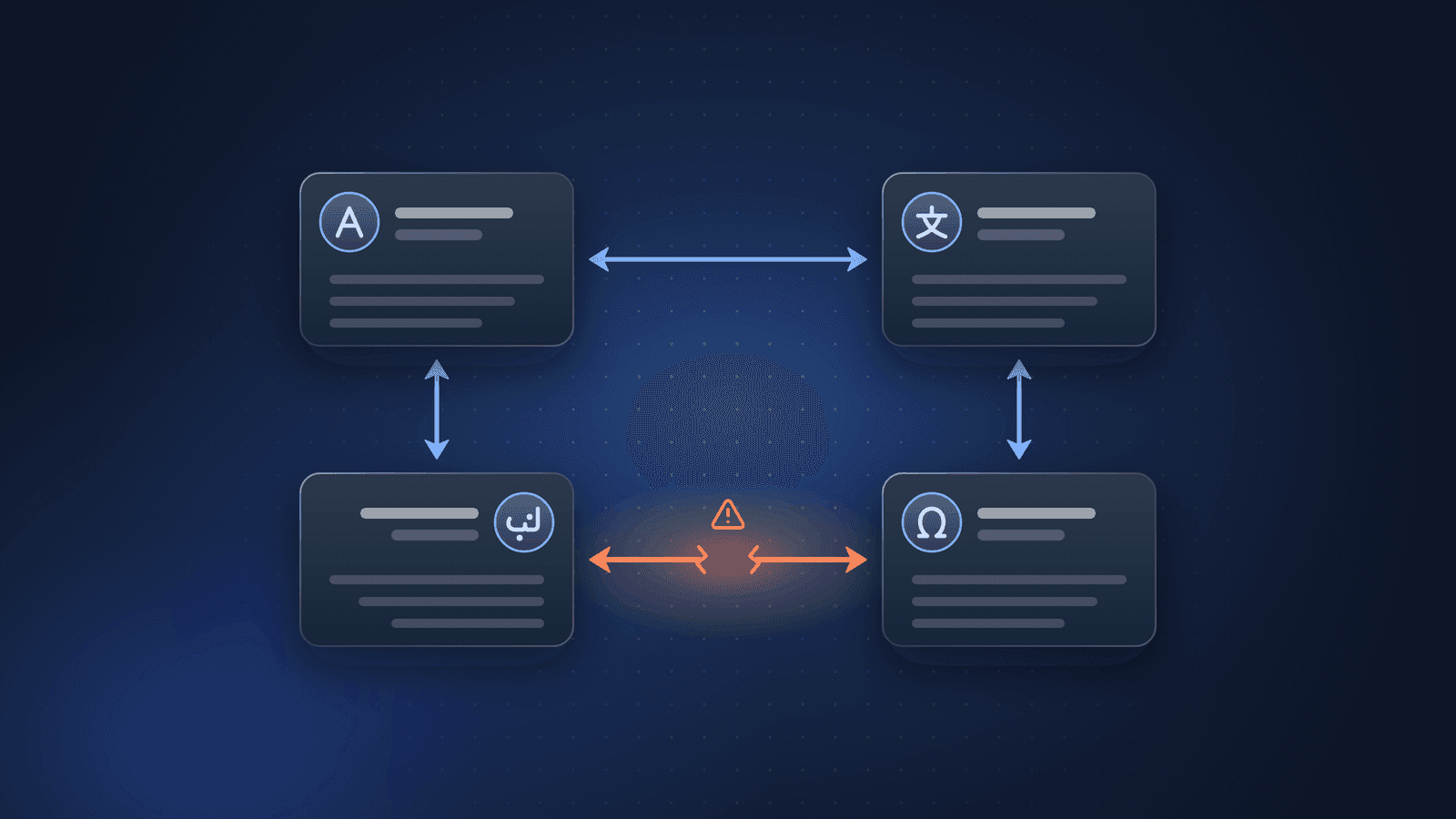
Missing return links, invalid codes, redirecting alternates and canonical conflicts: how Google reads hreflang and how to find and fix every common error.
Everything an image needs to be found, understood and fast: img markup, alt text, file names, formats, responsive sizes, dimensions and lazy loading done right.
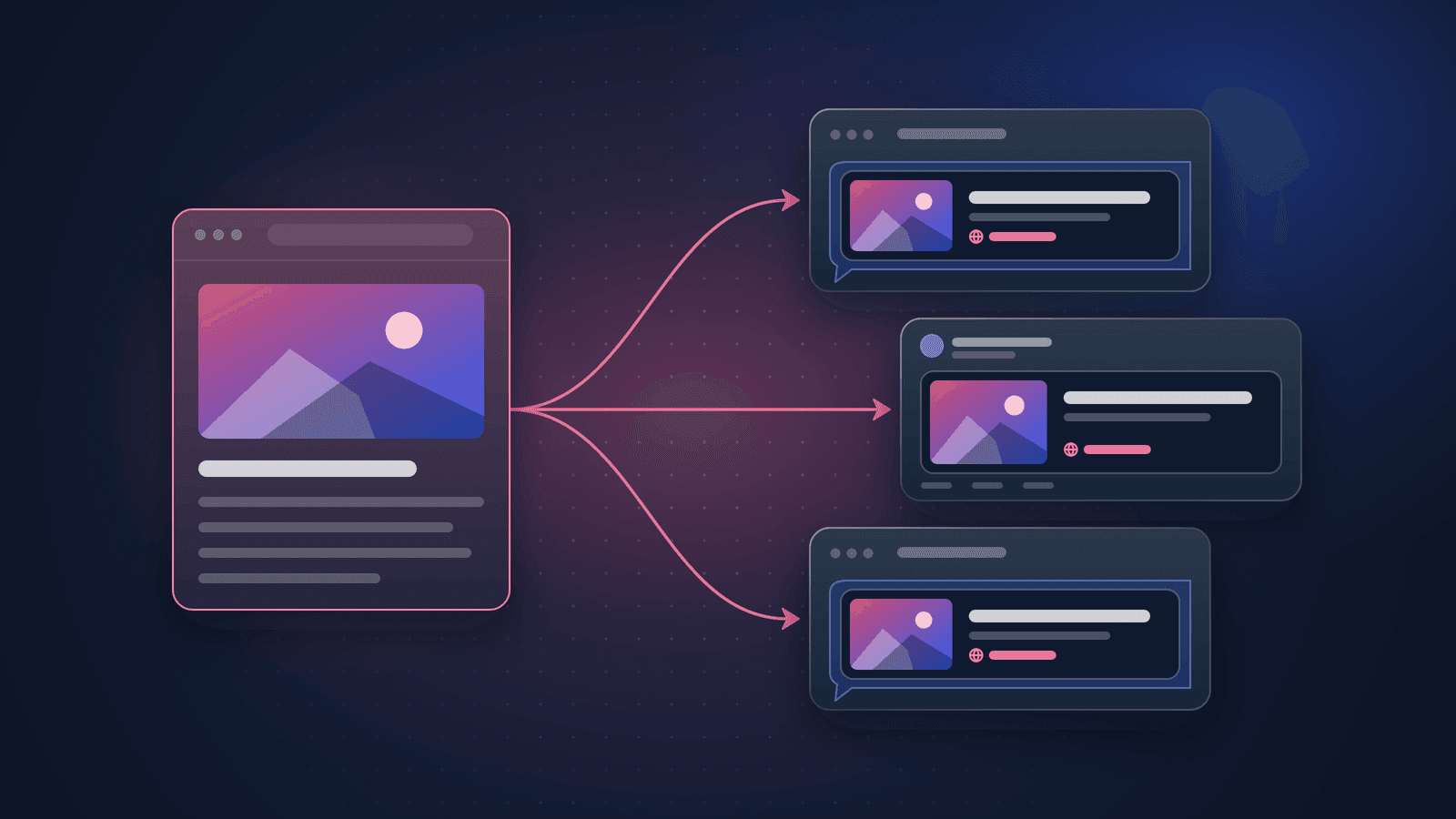
by Emily ParkerWhich og: and twitter: tags each platform reads, the share image sizes they document, how previews are cached and how to fix the most common preview problems.
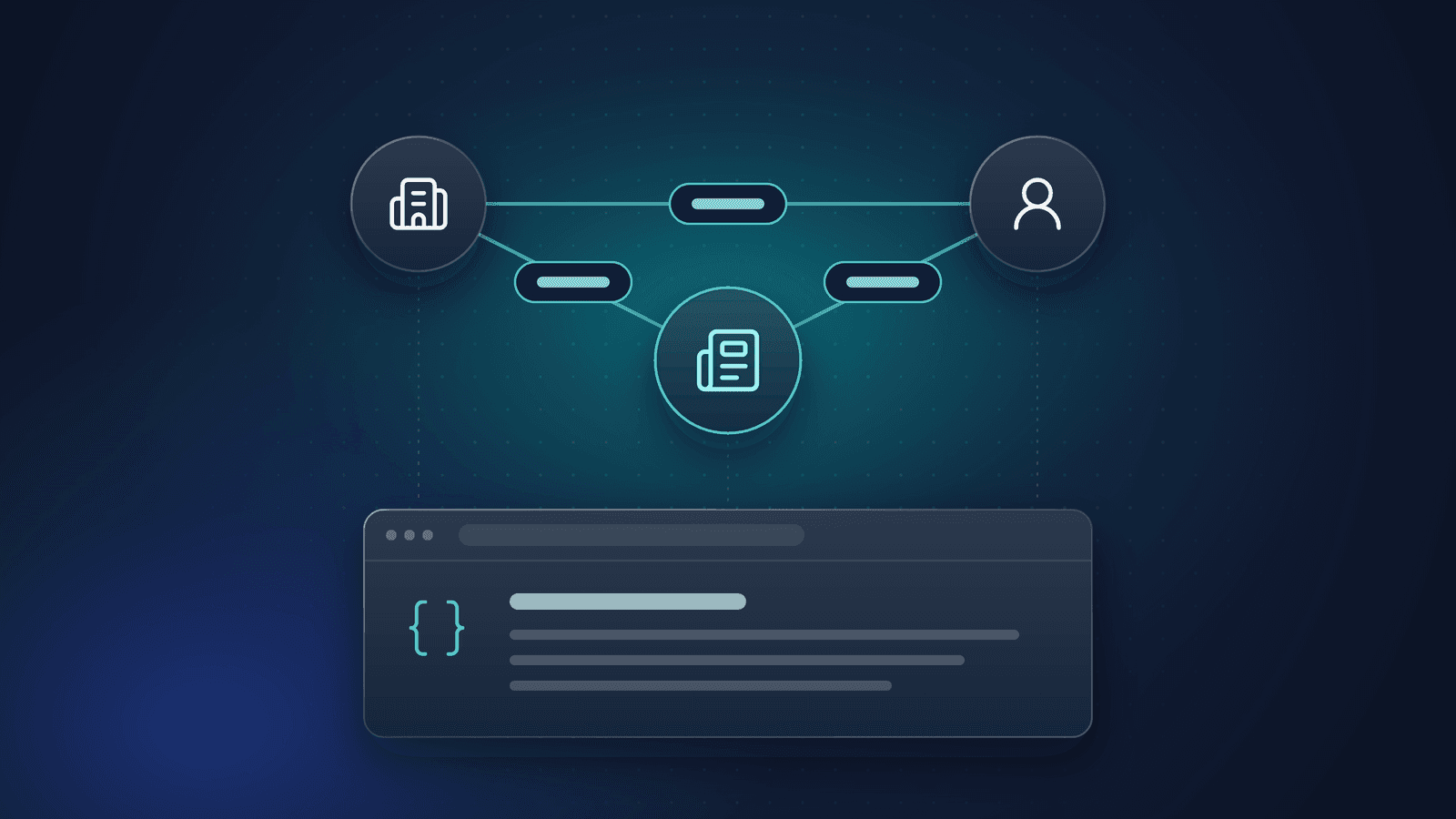
by Emily ParkerGoogle says AI Overviews need no special schema. Here is what structured data still does, how to mark up your organization and authors in JSON-LD, and how to validate it.
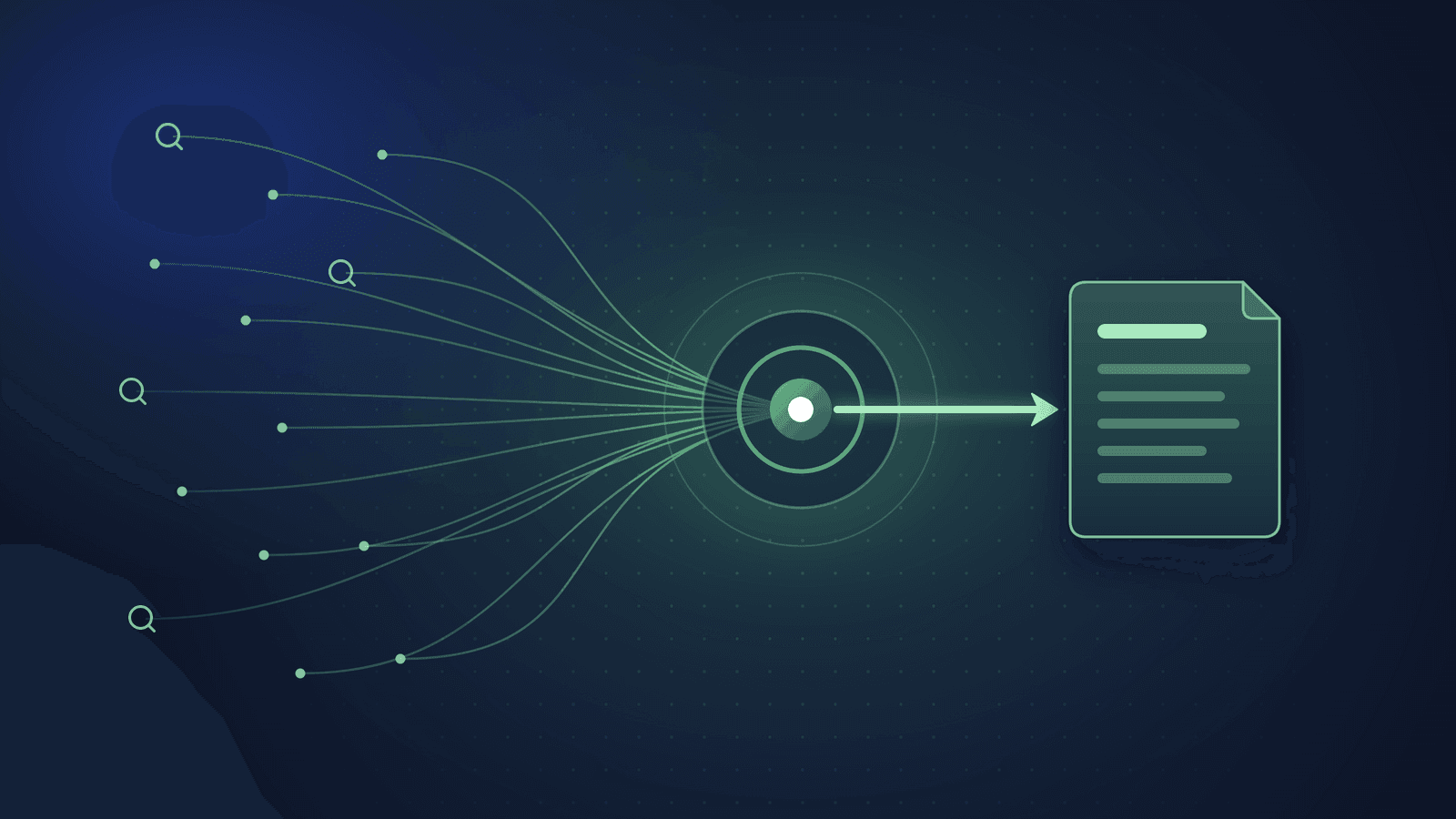
How to work out what a searcher wants, give every page one clear job, map queries to pages without cannibalization, and align title, headings, sections and calls to action.
by Jordan Lee